
My Major Mistakes at Coin Strike 2: Hold and Win Casino Lessons for UK Players
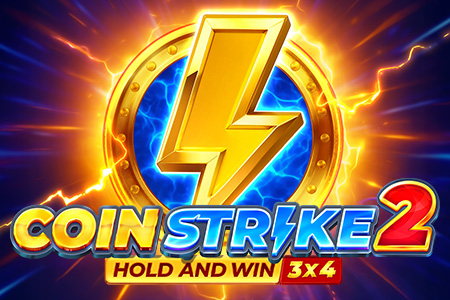
Playing online slots like Coin Strike 2: Hold and Win is thrilling, but it’s simple to get it wrong https://holdandwins.com/coinstrike2/. I’ve spent a lot of time on those reels, hooked on the chance of the bonus round and a big payout. Along the way, I made some serious errors. This is a breakdown of those mistakes, so you can avoid them, manage your money, and actually have a more enjoyable time with the game.
Overlooking the Game Rules and Paytable
My biggest early mistake was diving into Coin Strike 2 without checking how it worked. I thought it was just another slot. It isn’t. The Coin Collection meter and the main Hold and Win bonus have their own features. Because I didn’t study what the special symbols did, or how to trigger the bonus, or what each coin was worth, I played in the dark. I was losing money away. Investing five minutes with the paytable isn’t boring homework. It tells you exactly what the game can do.
Playing While Fatigued or Unfocused
I never realised how much my concentration mattered. Playing in the wee hours or with the TV on resulted in silly errors. I’d miss changes on the coin meter, press the max bet button by accident, or blow straight past my stop-loss. The game has elements you need to watch. When I was fatigued, my restraint evaporated and I made choices I’d normally avoid. Carving out sufficient time to play, like I would for any interest, made a massive difference to my self-control and how much I liked it.
Avoiding Use of Demo Mode for Practice
Most sites let you try Coin Strike 2 in a free demo mode. My blunder was bypassing it and jumping directly to real money. That was an pricey way to find out. The demo version lets you see how the game works, experiment with bet sizes, and get a feel for how often features trigger, all without risk. It’s the greatest training ground you can find. These days, I always tell people to play the demo until they’re tired of it before they spend a single pound.
Falling for Superstition Over Strategy
I’ll acknowledge it. I’ve had faith in ‘lucky’ spins, thought a bonus was ‘due’, and imagined changing my bet pattern might deceive the system. That’s all rubbish. Every spin on Coin Strike 2 is a distinct event, pure chance. Thinking anything else made me place dumb bets and continue losing sessions way too long. Embracing the randomness is actually freeing. It forces you to concentrate on the things you can actually control: your budget, your bet size, and when you leave.
Pursuing Losses with Increased Bets
After a string of dead spins, my gut response was to bump up my bet. I figured a bigger wager would recover my losses in one go. That’s the old chasing losses trap, and it’s a disaster. In Coin Strike 2, boosting your stake does boost potential wins, but it also drains your cash twice as fast when the game goes sour. I realized that betting with my emotions always caused bad decisions. Keeping to a bet size that suits my session budget is the only sensible approach. This game’s volatility will consume reckless bet increases for breakfast.
Overvaluing the Hold and Win Bonus Round
The Hold and Win bonus is the star of the show, and I got fixated on it. I started treating the base game as a boring wait for the main event. That resulted in frustration and hasty decisions. The truth is, the bonus round is a infrequent occurrence. I needed to learn to enjoy the base game for what it is. The coin collection and minor wins are part of the experience. Banking everything on one rare feature just makes playing stressful, not fun.
Poor Bankroll Management from the Start
This was my most regular error. I’d deposit money and just begin playing with no plan. A proper strategy means deciding on a loss limit and a win goal before you press ‘spin’. I didn’t do that. I’d often bet until my balance was nearly depleted, or hand back every penny I’d won. For a game like this, you need firm limits and the willpower to stick to them. It’s what turns a dangerous flutter into a measured bit of entertainment.
Misinterpreting the Risk Level and RTP
At first, I tried Coin Strike 2 like it was a low-volatility game. I expected consistent, small payouts. That was a costly assumption. This slot is high volatility. Wins are rarer, but the amounts are larger when they hit. My bankroll took a hit because my predictions were off. I also misinterpreted the Return to Player (RTP) figure. It’s a long-term average, not a guarantee for your next 50 spins. Understanding you’re playing a high-risk game sets you up for those long stretches where nothing is happening.
Essential Insights for Improved Strategy
Reflecting on all these slip-ups, a few clear lessons become apparent. Putting them into practice changed my whole method. Here are the most important changes I adopted.
- Never place a real bet until you’ve reviewed the paytable and rules.
- Establish a session budget and set loss and win limits. Then adhere to them, no excuses.
- Acknowledge the high volatility. Don’t sit there waiting for constant small wins.
- Utilize the demo mode. Get familiar with the game when the stakes are zero.
- Only play when you can pay attention. Tired, distracted players make bad decisions.
My time with Coin Strike 2 taught me that winning is more about avoiding errors than anticipating prizes. By acknowledging my own mistakes, I built a stronger, smarter way to play. Remember, the smart moves are the ones you determine before you spin. Use these lessons to play with more certainty, make your money last longer, and keep the whole thing firmly in the ‘fun’ column.